Purposeful Design: Creating Inclusive, High-Performing Commercial Workspaces
written by OLG
In modern commercial interiors, design is no longer about aesthetics alone. The most successful workspaces are built with intent, spaces that serve purpose, foster inclusion, and enhance performance. For OLG, purposeful design means enabling environments where every element, from layout to soft seating, aligns with how people work, connect, and thrive.
The Elements of Purposeful Design
Purposeful design begins with clarity, understanding how space supports organisational purpose and people’s needs. A People Matters study notes that purpose-led workplaces “boost engagement, drive innovation, and ease the return to office.”
- Function-driven flexibility: Dynamic zoning allows spaces to shift between focus, collaboration, and restoration. Holland Design highlights four core space types—creative, focused, connective, and reflective—as essential for productive and inclusive environments.
- Sensory and environmental balance: Lighting, acoustics, and temperature are equally vital to design performance. Research in Sustainability (MDPI, 2022) found that engaging users in decisions about comfort factors directly improves inclusion and satisfaction.
- Materiality and authenticity: Purposeful spaces use sustainable materials that reflect brand values while ensuring longevity. CSR Universe notes that inclusive commercial interiors rely on low-glare finishes, tactile cues, and acoustic comfort, key for accessibility in high-traffic environments.
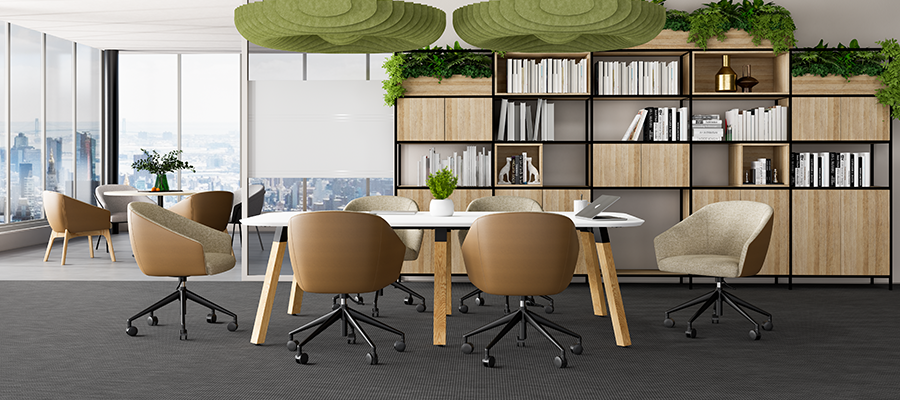
- Furniture as a flexible enabler: Movable, modular soft seating and furniture allows workspaces to adapt with evolving needs. OLG’s approach to both soft seating and modular furniture balances durability, mobility, and comfort, enabling users to reconfigure layouts effortlessly without compromising aesthetic continuity.
Purposeful design, then, is a system of choices each one informed by how people use and experience a space, not just how it looks.
For OLG, these principles translate directly into product thinking: seating that balances form and function, materials that endure, and modular systems that support equitable access. When each design decision reflects a clear purpose and an inclusive mindset, commercial interiors become more than workplaces, they become ecosystems of connection and performance.
Key Considerations for Commercial Specification
When specifying workspace interiors that are aligned to purposeful and inclusive design, these considerations are critical:
- User-involvement from the outset: Inclusive design research emphasises that performance-based goals (productivity, focus, belonging) are best realised when users are part of the process, not simply as end-recipients.
- Durability + flexibility: High-traffic commercial workspaces demand furniture and finishes that endure. At the same time, flexibility enables the space to evolve with changing work-patterns.
- Sensory comfort and environmental adaptability: Furniture alone cannot compensate for poor lighting, acoustic performance or thermal discomfort. A holistic view that links furnishings with environmental controls and materials is essential.
- Inclusive and equitable access: Ensure that all zones, wayfinding and seating types are accessible. Inclusion should feel seamless.
- Brand and culture alignment: Purposeful design connects to brand and culture. Workspaces should reflect organisational values of diversity, sustainability, innovation, and belonging. When furniture brings that narrative to life, the space becomes a manifestation of organisational purpose.
- Measurement and iteration: Purposeful design doesn’t stop at installation. Collect usage data, feedback, observe behavioural patterns and iterate.
Conclusion
At OLG we view wellness-centric design as a wholistic approach to the workspace, furniture, finishes, colour and technology all working in together.
In the commercial workspace of today and tomorrow, design demands more than beautiful furnishings. Purposeful design unites aesthetics with intention. It’s about crafting environments that adapt, include, and endure, where comfort and capability meet. For OLG the mission is clear: furniture solutions that not only look striking but actively support performance, adaptability and belonging. When each element, from foam density, upholstery durability, modularity, layout and integration, aligns with the fundamental parameters of purposeful design and inclusive access, the result is a workspace that welcomes everyone, supports business aims, and stands the test of time.
In doing so, organisations create not just a workspace, but a place that works.
Click to download a printable PDF.