Australian Commercial Office Design Trends: What’s in and What’s Out
written by OLG
Australian workplaces are evolving faster than ever, and the expectations of teams, leaders, and communities are shifting right along with them. As hybrid work matures and organisations rethink how the office adds value, workplace design trends signal a move toward environments that genuinely support performance, culture, and connection. At OLG, where people and purpose sit at the heart of how we work, these shifts align strongly with our commitment to creating spaces that elevate collaboration, wellbeing, and service delivery.
What’s In
Strategy Led, Purpose Built Workplaces
Leading Australian organisations are moving away from cosmetic upgrades and toward evidence based, strategy first design. Instead of asking how should this look? the question is now how should this work? Designers are analysing team behaviours, collaboration rhythms, and hybrid patterns to build environments that support real world needs and long term organisational goals. This creates workplaces that stay relevant and resilient as teams evolve.
Hybrid Optimised Spaces That Strengthen Connection
Hybrid is no longer a trial; it’s a considered operational norm. Offices across Australia are being re shaped to prioritise activities that thrive in person: collaboration, mentoring, problem solving, and culture building. This means more shared project rooms, more small meeting spaces, and fewer rows of unused desks. Seamless AV, digital room booking, and AI supported meeting tools ensure every voice, remote or in person, is heard.
Flexible, Activity Based Working Zones
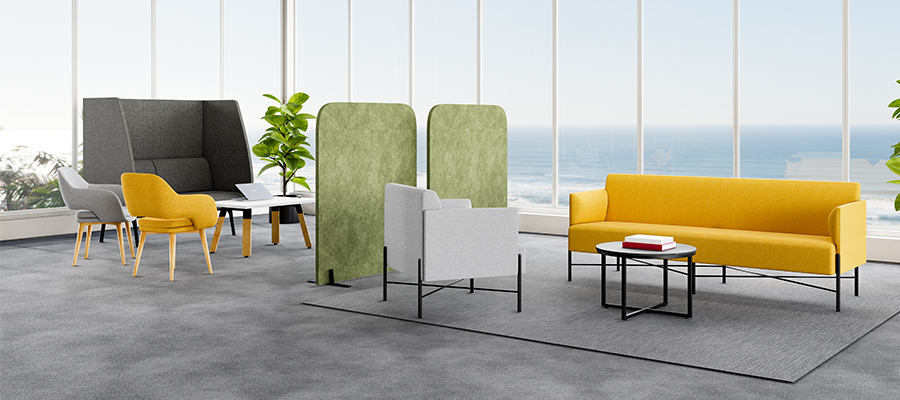
Modular furniture, hot desking, moveable partitions, and task specific zones are becoming key features of modern Australian workplaces. Activity Based Working (ABW) empowers people to choose the environment that best suits their task, deep focus, creative collaboration, or community connection. It boosts autonomy, productivity, and engagement across a wide variety of teams.
Wellbeing at the Centre of Workplace Design
Wellbeing has shifted from a “nice addition” to “design foundation.” The latest office environments incorporate ergonomic furniture, advanced acoustics, and lighting engineered to support cognitive function and reduce fatigue. Designers now treat ventilation, lighting, and workstation ergonomics as a single ecosystem that enables teams to do their best work, comfortably and sustainably.
Sensory Conscious and Tactile Experiences
A growing trend is the use of sensory friendly finishes: soft edge desks, super matte surfaces, and materials that create calming, tactile experiences. These subtle design improvements enhance comfort and help reduce distraction, an important factor in high focus, high impact environments.
What’s Out
Static Rows of Desks
The traditional desk per person model is now making way to support hybrid occupancy patterns. Organisations are utilising quiet nooks, and adaptable collaboration zones, to ensure a range of configurations and flexible workspaces.
One Size Fits All Offices
Rigid floor plans and single use rooms no longer meet the needs of today’s dynamic teams. Modern workplaces need to pivot quickly, shifting from workshop mode to quiet concentration to cross team collaboration. Static layouts simply can’t keep up.
Style Over Substance
Aesthetic only upgrades are fading fast. The organisations leading the way are prioritising performance, culture, community experience, and employee wellbeing over “Instagram ready” spaces. Every design decision must serve a functional, human centred purpose.
Stale, Traditional Corporate Environments
Australian companies are embracing bolder, more experiential workplaces, spaces that reflect brand identity and bring people together with intention. Playful elements, immersive experiences, and hospitality driven design are all on the rise as employers focus on making the office a meaningful destination. Spaces that spark creativity, curiosity, and a sense of belonging.
The future of workplace design in Australia is clear: people centric, flexible, and strategic. These trends align strongly with OLG’s commitment to delivering exceptional experiences for our teams and partners. As we continue to evolve how we work, embracing design that supports wellbeing, connection, and high quality service will ensure our workplaces remain vibrant hubs of collaboration and community value.
Click to download a printable PDF.